
The Problem
Dr. Sarah Lim runs a busy general practice clinic on the ground floor of a shoplot along Jalan Telawi 3 in Bangsar. The clinic operates six days a week from 8:30am to 9pm, serving around 60–80 patients daily. With four Panasonic 1.5HP wall-mounted units in the consultation rooms and waiting area, plus two Panasonic 3.0HP ceiling cassette units in the main treatment hall, the aircond system runs virtually non-stop for over 12 hours every day.
The problem wasn't a single breakdown — it was a pattern of recurring issues. Over the previous year, Dr. Lim had called three different aircond companies on five separate occasions for emergency repairs: two water leaks that dripped onto medical equipment, one compressor failure during a heatwave, and two instances of weak cooling that made the clinic unbearably warm for patients. Each time, she paid ad-hoc repair fees ranging from RM 150 to RM 600, totalling nearly RM 2,000 in reactive maintenance costs alone.
She contacted Masters Aircond Service KL after a colleague at a neighbouring clinic recommended our maintenance contract programme. Her main concern was simple: she couldn't afford unplanned aircond failures in a medical environment where temperature control directly impacts patient comfort and medication storage.
Our Assessment
Our team conducted a full inspection of all six units during the clinic's lunch break. The findings explained why the system had been so unreliable:
- Wall-mounted units (consultation rooms): Evaporator coils were moderately dirty with dust and biological growth. Two units had partially clogged drain lines causing the earlier water leaks. Gas levels were approximately 15% below optimal on one unit.
- Ceiling cassette units (treatment hall): Heavy dust accumulation on the four-way vents was restricting airflow. One unit's fan motor was showing early signs of bearing wear — a vibrating hum audible at low fan speed. Both drain pans had algae build-up.
- Outdoor condensers: Both condenser units (located on the building's back wall facing the alley) were caked with grease and kitchen exhaust residue from the restaurant next door. This was significantly reducing heat dissipation and causing the compressor to work harder than necessary.
We proposed a 12-month maintenance contract with quarterly servicing visits — four comprehensive service rounds per year. Each visit would include full cleaning of all indoor and outdoor units, drain line flushing, gas pressure checks, electrical inspection, and a written condition report. The contract also included priority response for any emergency call-outs between scheduled visits.
Work Timeline
Visit 1 (February): Deep Clean & Baseline
First quarterly visit served as a deep clean to bring all six units back to optimal condition. Chemical washed all four wall-mounted evaporator coils. Cleared and flushed all drain lines with anti-algae solution. Topped up refrigerant gas on the undercharged unit. Degreased both outdoor condenser coils using alkaline cleaner to remove the restaurant grease build-up.
Drain Line Repair
Found that two wall-mounted units had improperly routed drain hoses — the original installer had created low points where water would pool and eventually overflow. Re-routed both drain lines with proper gradient to ensure gravity drainage. This permanently solved the water leak issue that had been plaguing the clinic.
Fan Motor Replacement (Ceiling Cassette)
Replaced the worn fan motor on the ceiling cassette unit showing bearing wear. Used a genuine Panasonic replacement motor to maintain warranty compliance. The vibrating hum was eliminated and airflow distribution returned to even four-way output.
Condenser Protection Setup
Installed mesh grease filters over both outdoor condenser units to reduce grease accumulation from the neighbouring restaurant's exhaust. This simple addition would extend the time between condenser cleanings and reduce compressor strain significantly.
Testing & Documentation
Ran all six units simultaneously for 45 minutes while monitoring amperage draw and outlet temperatures. All units producing 10–12°C outlet air. Compiled a detailed baseline condition report with photos for Dr. Lim's records, including a maintenance schedule for the next 12 months.
Results
Lessons & Tips
Medical clinics, dental practices, and healthcare facilities in Bangsar have stricter aircond requirements than typical commercial spaces. Temperature fluctuations can affect patient comfort during consultations, and in some cases, impact the storage conditions for medication and vaccines. A maintenance contract isn't a luxury for healthcare businesses — it's a necessity for operational reliability.
If your business relies on aircond running 10+ hours daily, the maths almost always favours a maintenance contract over ad-hoc call-outs. Dr. Lim was spending nearly RM 2,000 per year on reactive repairs with no guarantee of prevention. Her maintenance contract costs RM 2,400 per year but includes four full service visits, parts inspection, gas top-ups, and priority emergency response — essentially eliminating surprise costs. For businesses with heavy-use environments, we also recommend considering a periodic chemical overhaul every 18–24 months alongside the regular maintenance schedule to keep the system in peak condition.
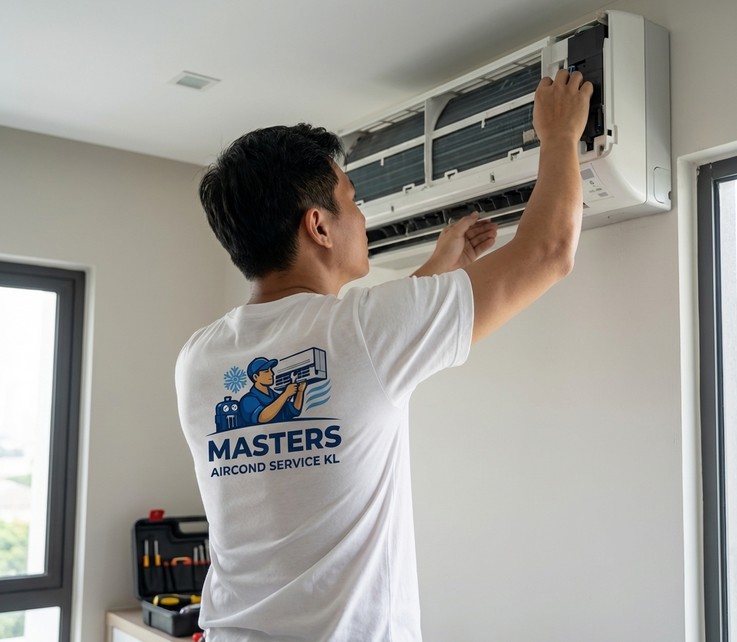
Kevin Chong
Kevin leads the Masters Aircond Service KL team with over 12 years of hands-on experience in residential and commercial aircond systems across Kuala Lumpur. He personally oversees every maintenance contract to ensure consistent service quality.
Need a Maintenance Contract for Your Business?
Keep your aircond running reliably year-round with scheduled maintenance from Masters Aircond Service KL.
WhatsApp Us Now